
 Wildlife
 7 Nights / 8 Days
Red Panda Tour
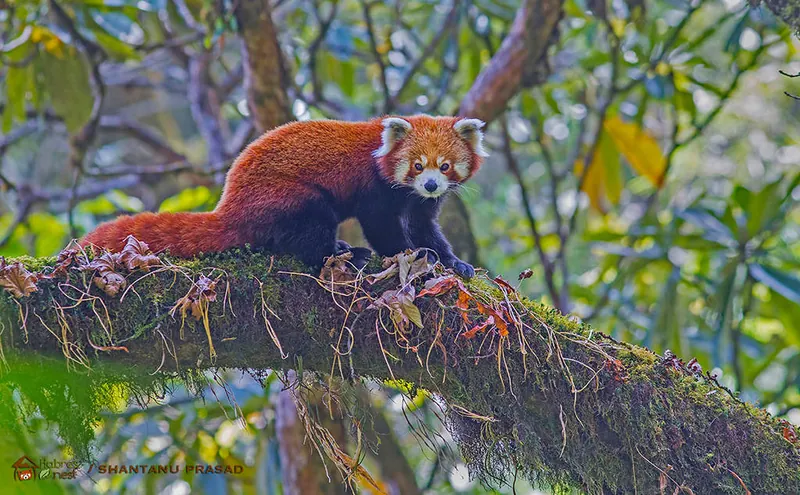
Only two thousand five hundred Red Panda survive in the wilds of India and SW China. It is one of the most exotic species surviving the in Eastern Himalayas. It is…
View itinerary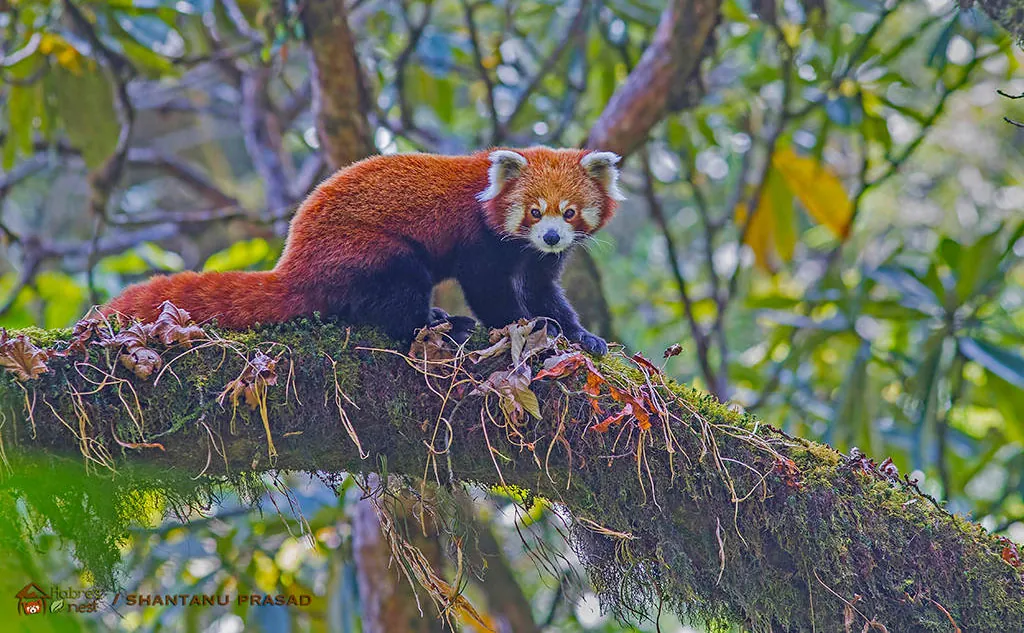
North East India · West Bengal
Red pandas on the Himalayan ridge
History & Overview
One of India’s most well-known trekking circuits, Sandakphu is the highest peak of West Bengal located at the Northwestern tip of the state, at the border of India & Nepal, inside the protected Singalila National Park.
Sandakphu itself is a legendary spot, where, at sunrise, it offers a most beautiful panoramic view of 4 out of the 5 highest peaks of the world: Mount Everest, Kanchendzonga, Lhotse & Makalu all towering over the subcontinent at over 8000m above sea-level. Golden rays of the sun illuminate the gigantic ranges, giving an insight into heaven on Earth.
The Singalila ridge itself is accessible for its famous birding routes from 2000m to 3650m above sea-level. The forest type broadly ranges from Temperate Broad-leaved, Mixed Forests to Alpine vegetation, and the Rhododendron blooms during Summer(March-May) erupt in a riot of colours leaving one awestruck at the natural heritage that the area has to offer.
The life-giving rivers of this area are the Rammam and the Sirikhola. The best place in India to see the Fire Fox or the Red Panda with spotters earmarking this fascinating animals whereabouts. A relocation programme was conducted in 2004, which has been a great success with a thriving population in Singalila National Park.
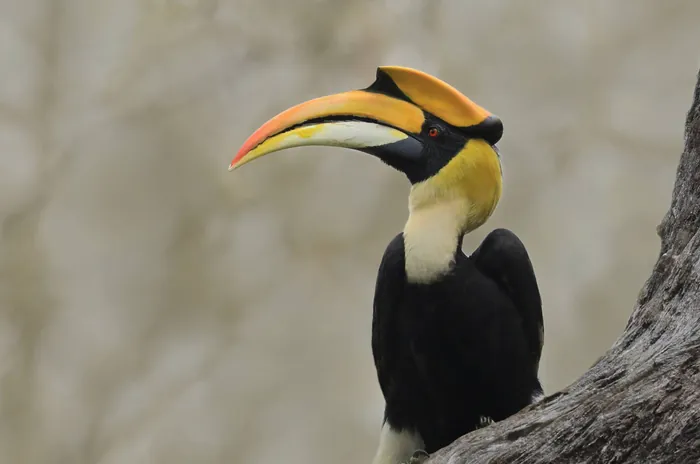
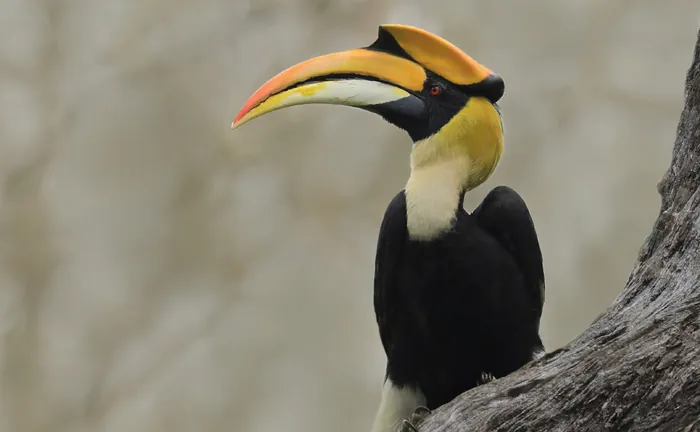
It is also probably the best area to find orchids in these cloud forests with almost 600 species which occur here, adding to the unique biodiversity of the area. It is one of the most fruitful birding areas of India as well with close to 300 amazing Himalayan species recorded here. There are several rare birds, which occur in good numbers at Singalila National Park.
Flora & Fauna
Geography & Climate
Location
Tours visiting Singalila
Keep exploring
Tell us when you’d like to travel and we’ll craft a safari around the best seasons, zones and lodges.
Plan My Safari
Tell us your dream.
We’ll craft the journey.
Share a few details and our team will get back to you shortly.